
Cultural Diplomacy
Every country has something to teach the world. Beginning in 2027, our art festivals will help preserve and share the stories, traditions, and happiness practices that make each culture unique through art, cultural exchange, and the perspectives of children.
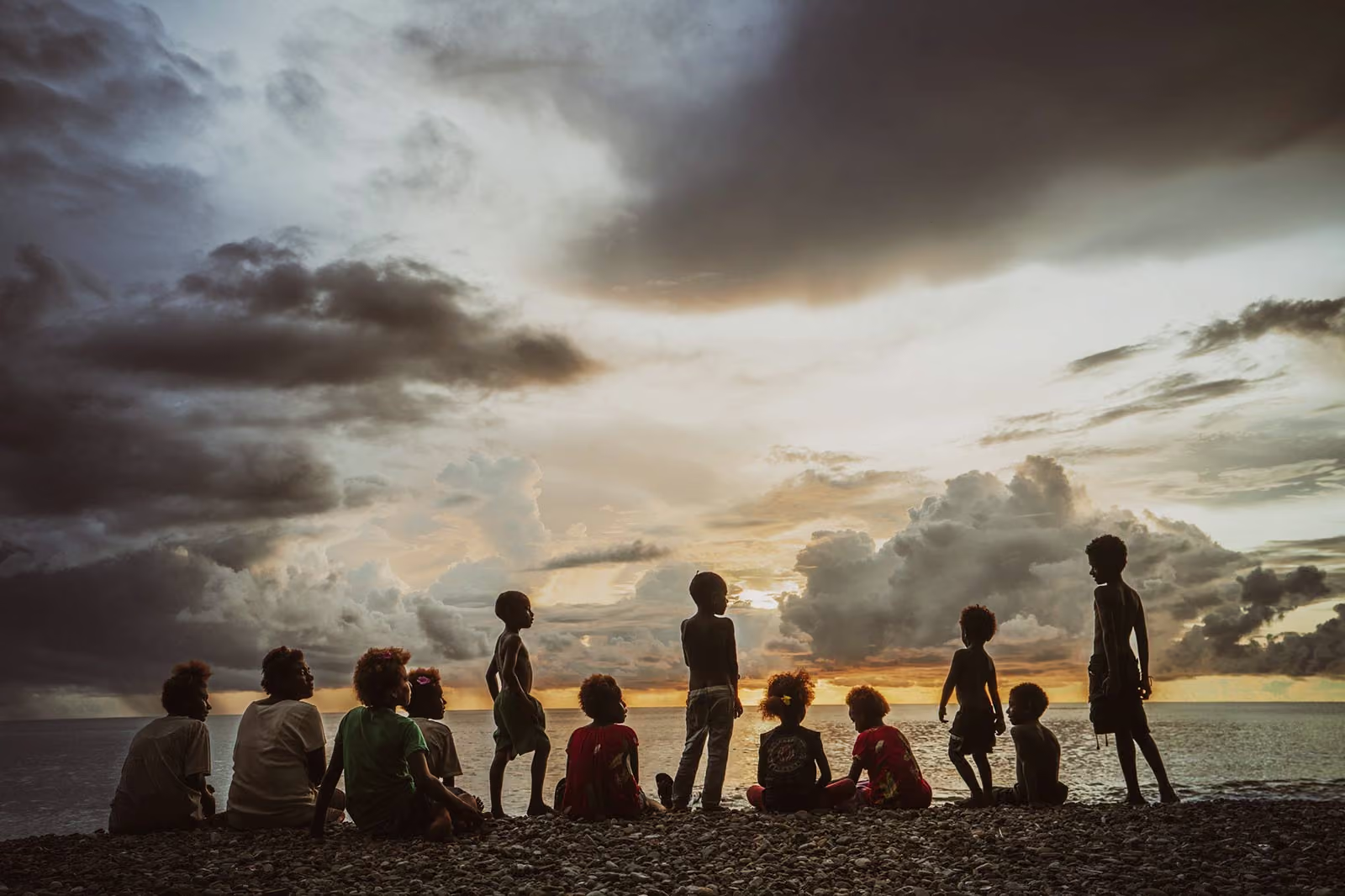

Every country has something to teach the world. Beginning in 2027, our art festivals will help preserve and share the stories, traditions, and happiness practices that make each culture unique through art, cultural exchange, and the perspectives of children.
In a world where unique cultural expressions—shaped over hundreds and thousands of years—are rapidly fading under the weight of a globalized, technology-driven culture, the need to preserve what is deeply human has never been more urgent.
Within every culture lives a form of knowledge that is not written, but embodied—carried through stories, rituals, art, and ways of being. It is knowledge that reflects a deeper understanding of our place in nature, of community, and of life itself.
Before expansion, extraction, and short-term gain became dominant forces, many cultures were rooted in connection. Connection to the Earth, to each other, and to future generations. These perspectives still exist, but they are at risk of being lost.
Cultural diplomacy, in this context, is not about politics.
It is about preservation.
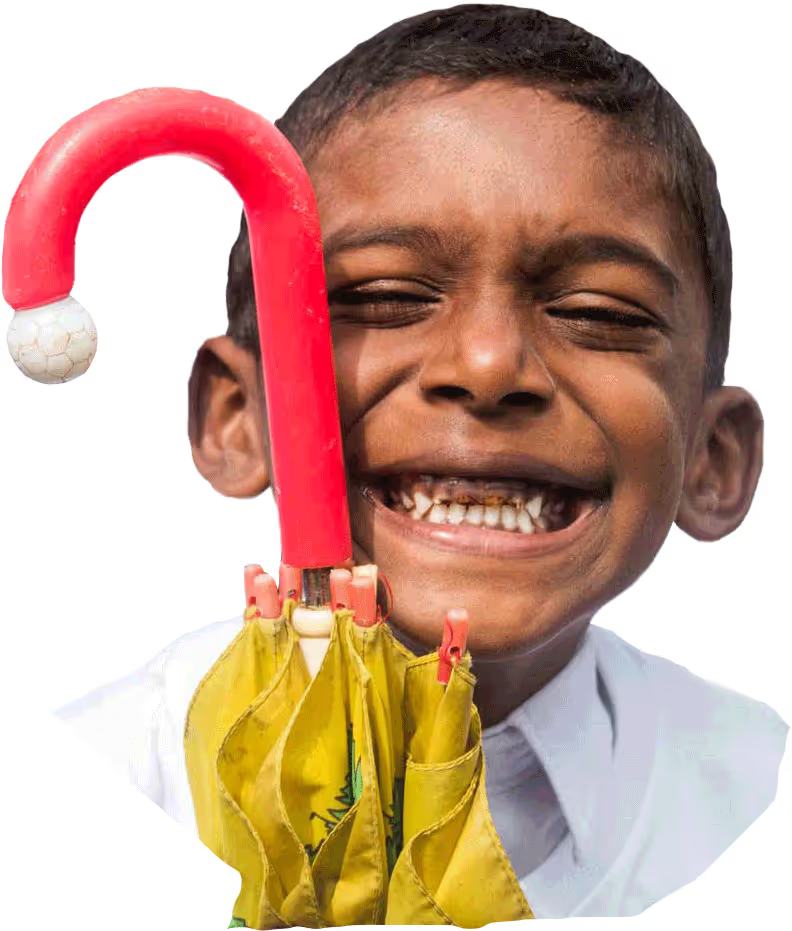
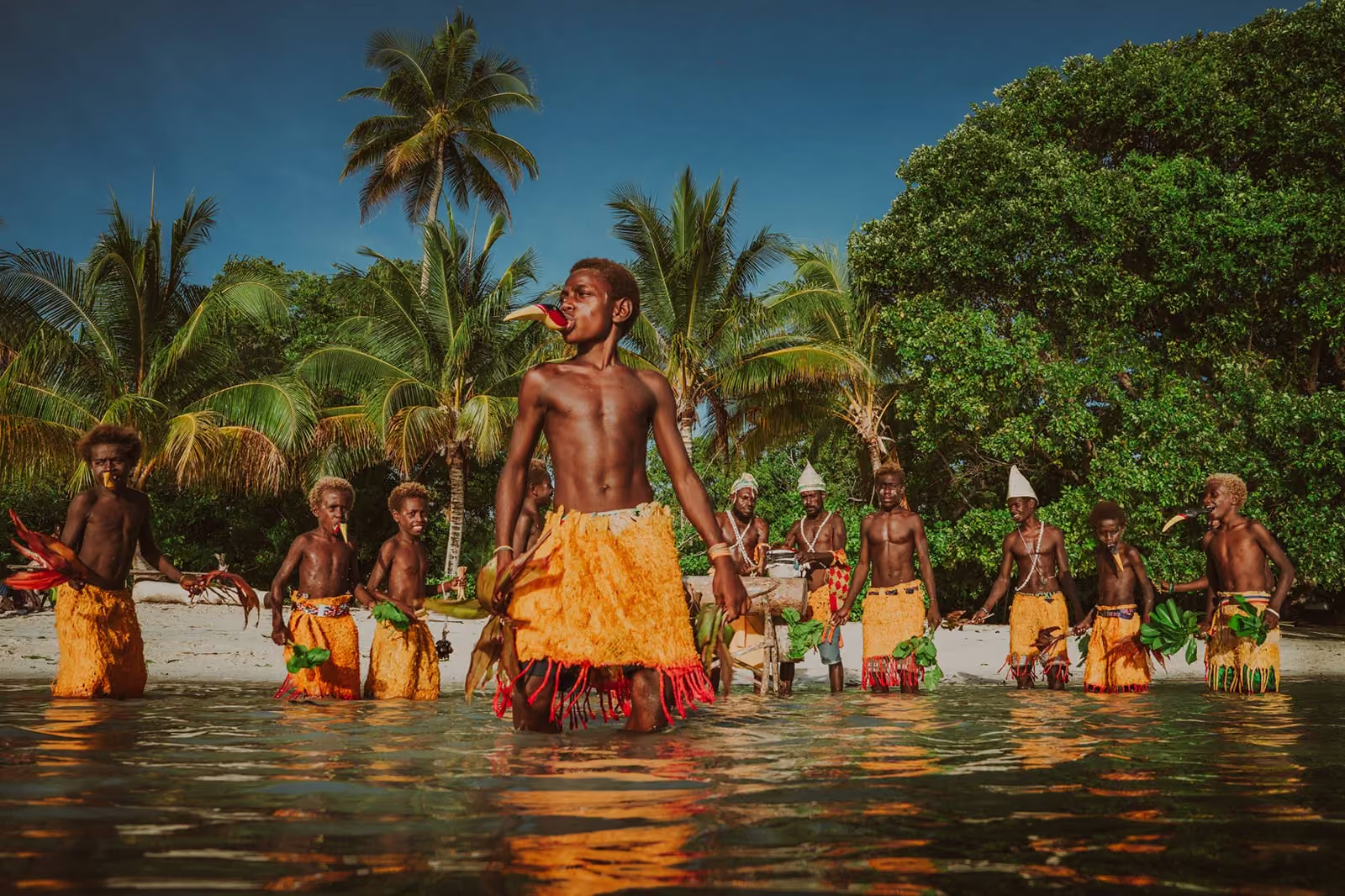
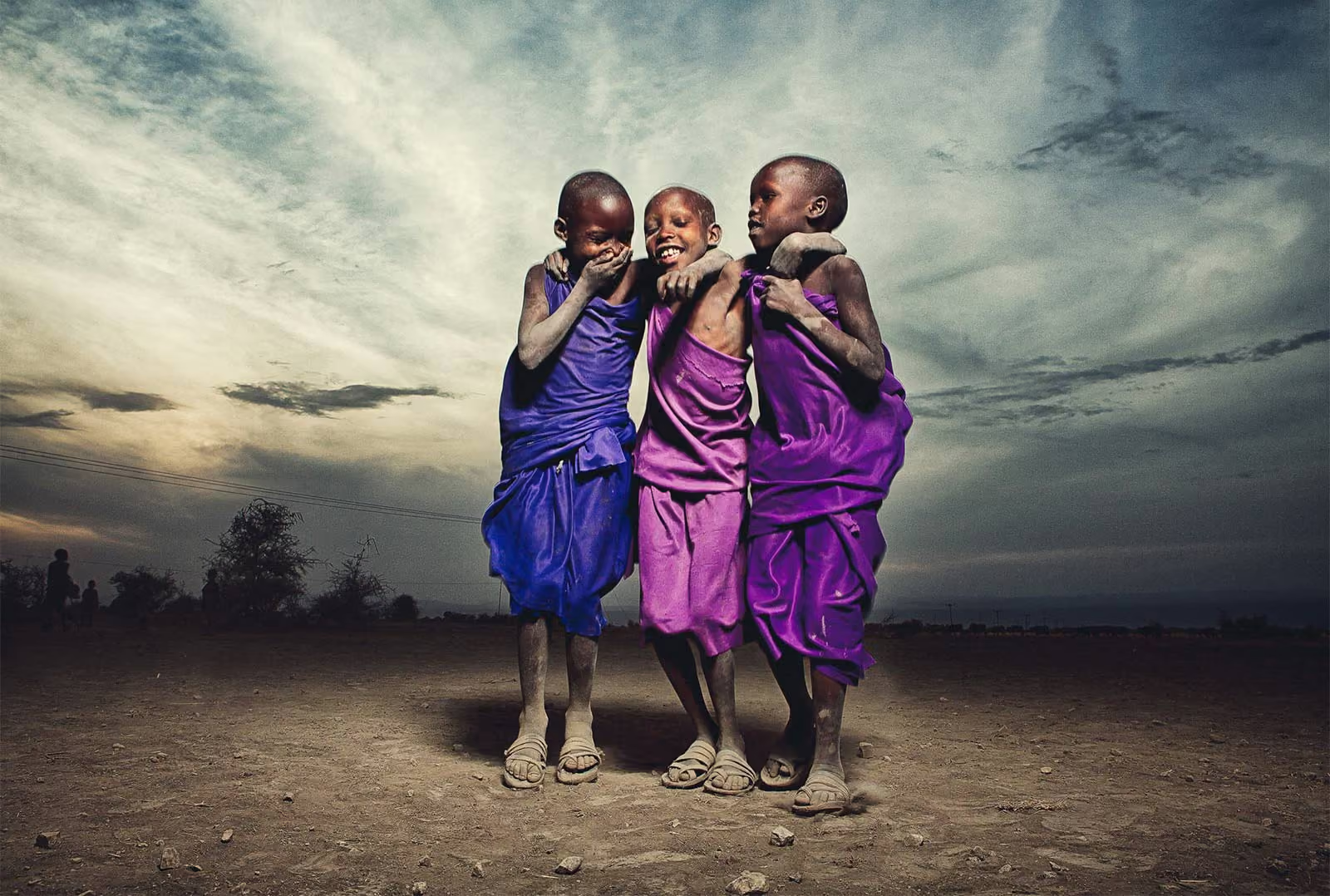
Through art and shared experiences, our intent is to create a space where cultures are not simplified or consumed—but expressed, honored, and experienced as they are. Children become carriers of this exchange, sharing their environments, traditions, and perspectives through co-creation.
Each country becomes a voice.
Each child, a messenger.
Each creation, a bridge.
This is how we preserve—not by holding on to the past, but by bringing its wisdom into the present and allowing it to live forward.
At our art festivals from 2026 and forward, we will both co-create our art initiatives and happiness practices, and document traditional happiness practices to preserve national culture and share it with the world.
Kind is the new Cool